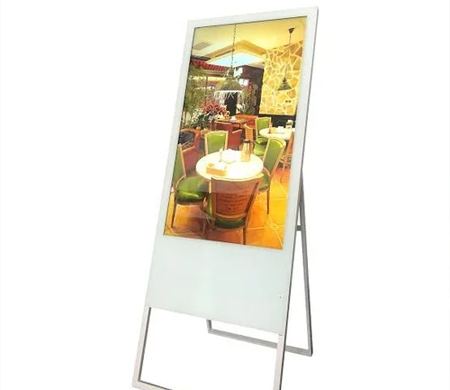
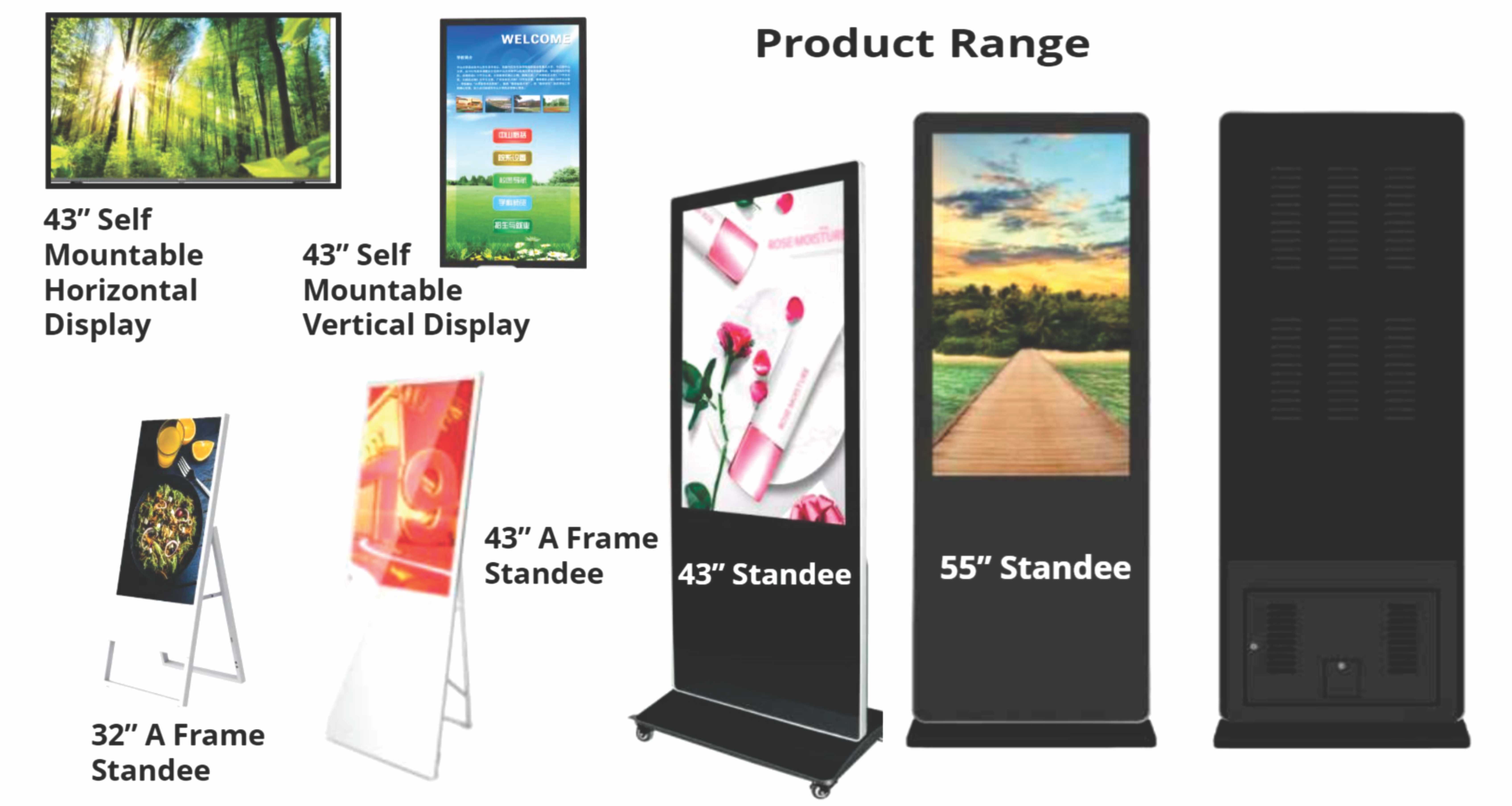
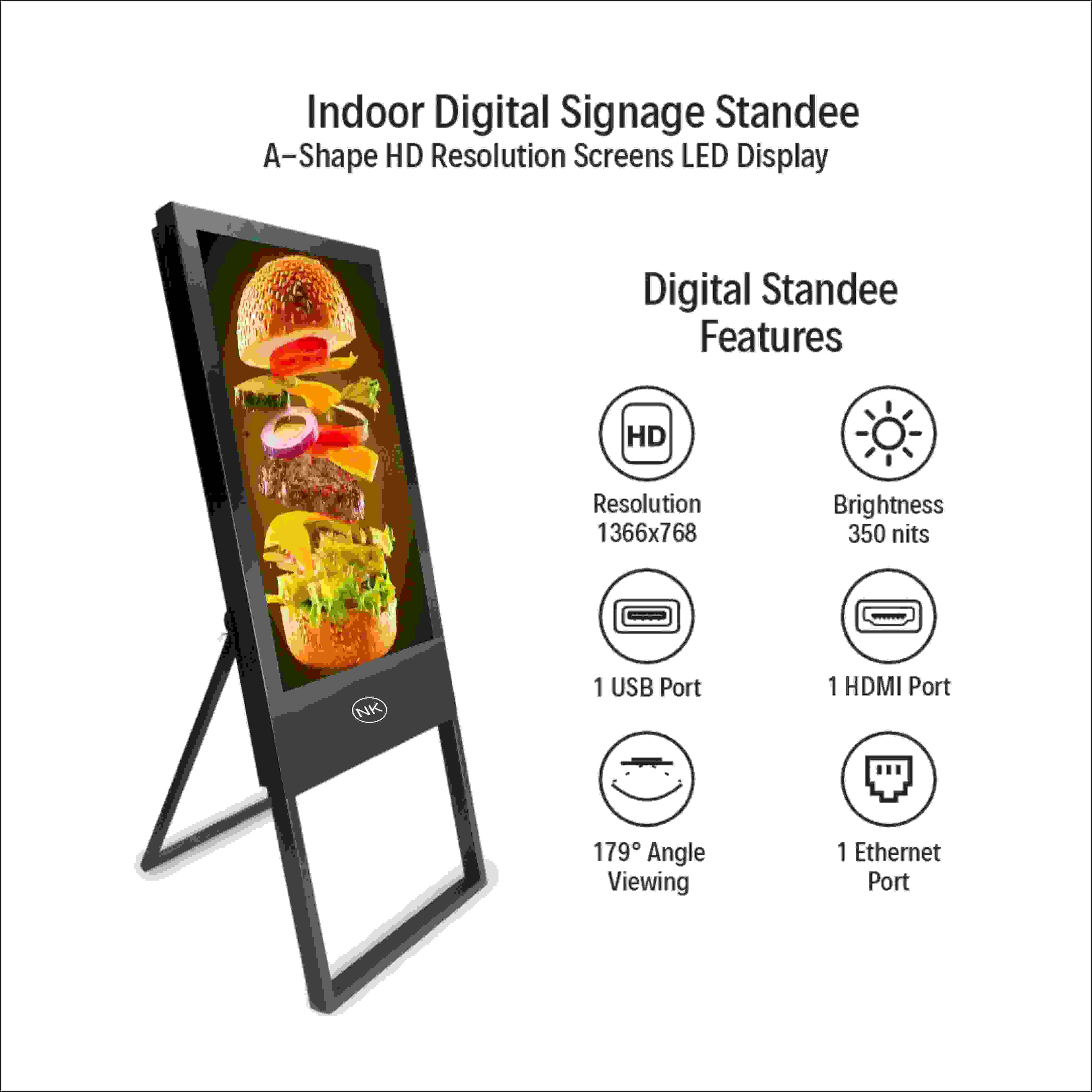
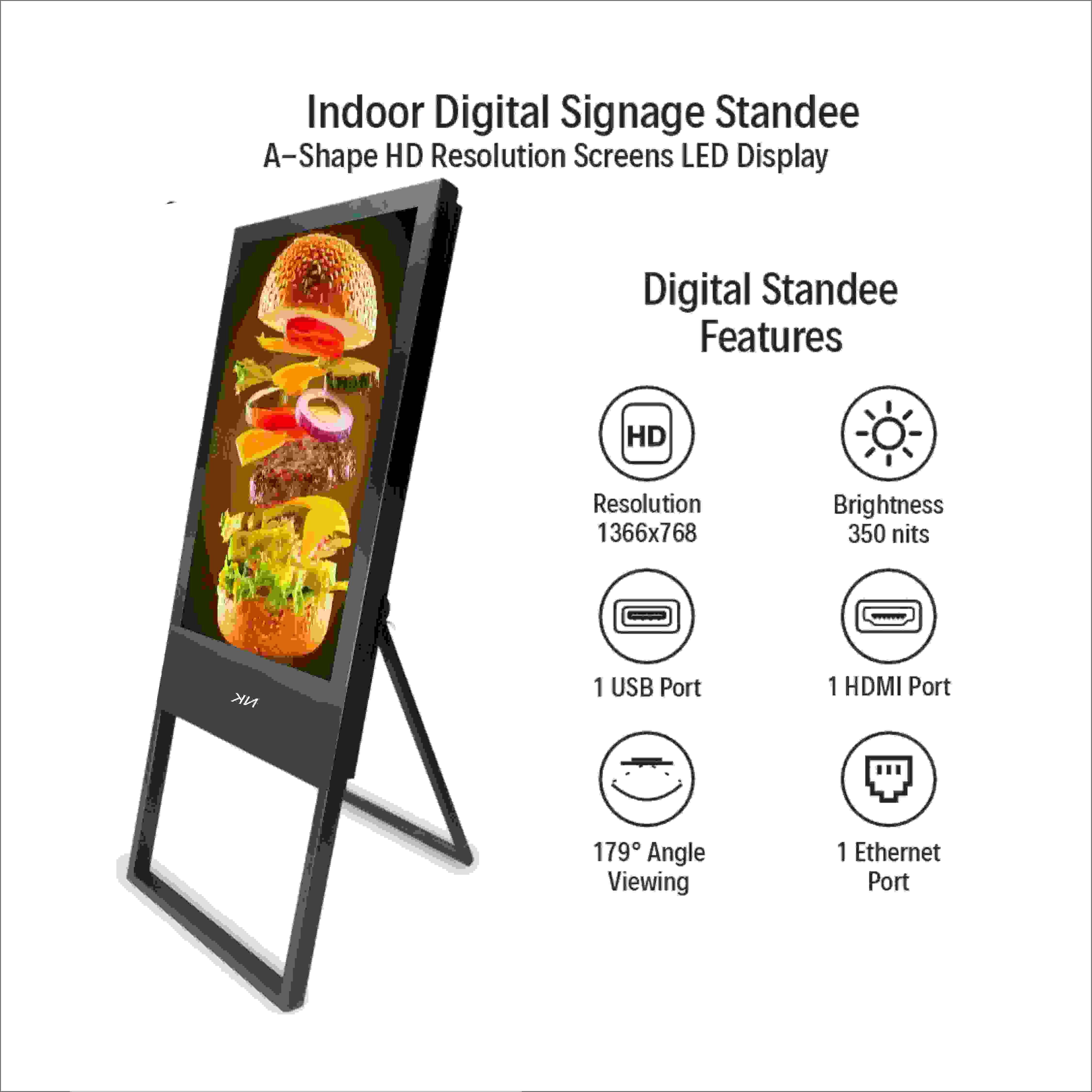
A "digital standee" refers to a digital display, typically shown on a screen or tablet, that mimics the function of a traditional standee (a freestanding, often printed, display board). Here's what characterizes a digital standee:
- Digital Content: Unlike printed standees, digital standees use digital content, which can be easily updated, changed, and adapted. This could include images, videos, animations, interactive elements, or scrolling text.
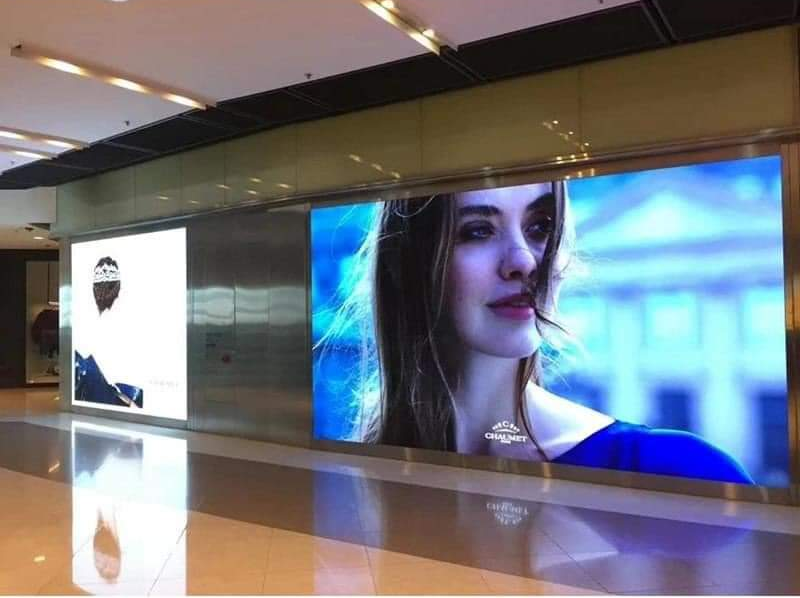
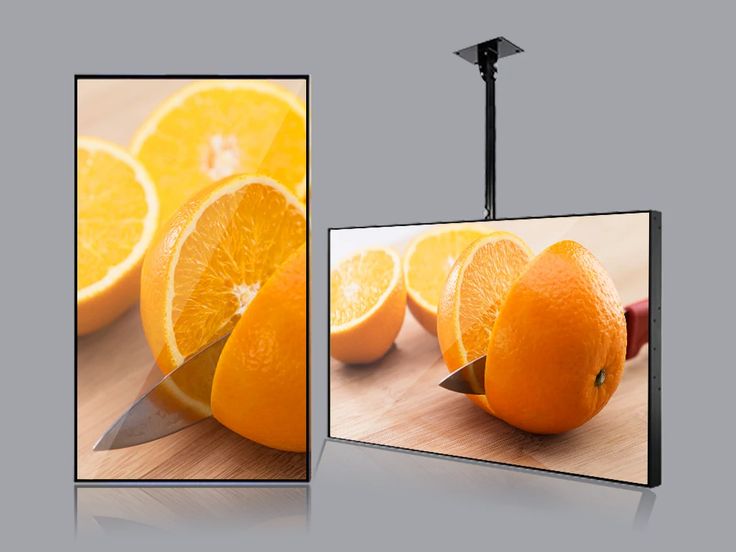
- Screen Display: They use a screen of some sort, which may be a simple monitor, a tablet, a specialized digital signage device, or even a projected image. The size and type of screen will vary depending on the application.
- Standalone Function: Just like a physical standee, it's intended to be self-contained and readily visible in a specific location. It might have its own stand or be integrated into a larger kiosk-style setup.
- Purposeful Design: They are designed for a particular purpose – advertising, wayfinding, information dissemination, promotional offers, etc., much like traditional standees.
Examples of uses for digital standees:
- Retail: Promoting products, showing prices, displaying advertisements.
- Events: Providing information about schedules, speakers, or sponsors.
- Trade Shows: Exhibiting products and company information.
- Waiting Areas: Providing entertainment, company news, or information.
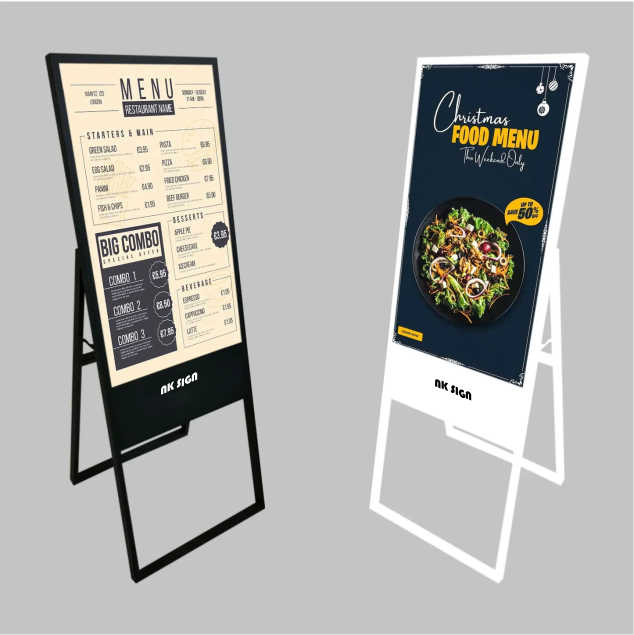
- Restaurants: Showcasing menus, daily specials, or customer reviews.
In short, a digital standee is a more versatile and modern version of the traditional standee, offering greater flexibility and engaging content options.














.jpg)
.jpg)
.jpg)

.png)